The transition from a linear “take-make-waste” economy to a circular one is perhaps most visibly embodied in the humble carryall. As global awareness regarding the environmental degradation caused by single-use plastics reaches a fever pitch, the demand for sophisticated, long-lasting alternatives has catalyzed a renaissance in textile engineering. The modern fabric tote bag is no longer a mere grocery accessory; it is a complex intersection of material science, ergonomic design, and brand identity. For the professional seeking to understand the mechanics of this shift, the journey begins with a fundamental question: what makes a bag truly resilient? Is it the density of the weave, the reinforcement of the seams, or the ethical transparency of the supply chain? This analysis explores the technical and economic landscape of canvas tote bags, providing a roadmap for procurement, maintenance, and strategic implementation in a world that increasingly values durability over disposability.
The Evolution of the Fabric Tote Bag in a Plastic-Free World
To understand the current dominance of cloth tote bags, one must first look at the maritime history that birthed their primary material. The word “canvas” is derived from the 13th-century Anglo-French canevaz and the Latin cannapaceus, meaning “made of hemp”. Historically, these textiles were engineered to survive the most punishing environments on Earth: the open seas. Sailors relied on the dense, plain-woven fabric of their sails to capture the wind and propel ships across oceans. This same ruggedness is what makes the tote bag canvas bag the preferred choice for modern consumers who require a vessel capable of withstanding the rigors of daily commuting, grocery hauling, and international travel.
The global market for these products is expanding at a remarkable rate. In 2024, the tote bags market size was valued at USD 2,266.05 million, and it is projected to grow to USD 3,377.13 million by 2032. This growth is not merely a trend; it is a structural shift driven by heightened environmental awareness and an increasing number of government bans on single-use plastics. When one considers that the average plastic bag is used for only 12 minutes before being discarded, yet survives in the environment for centuries, the logic of investing in durable tote bags becomes undeniable.
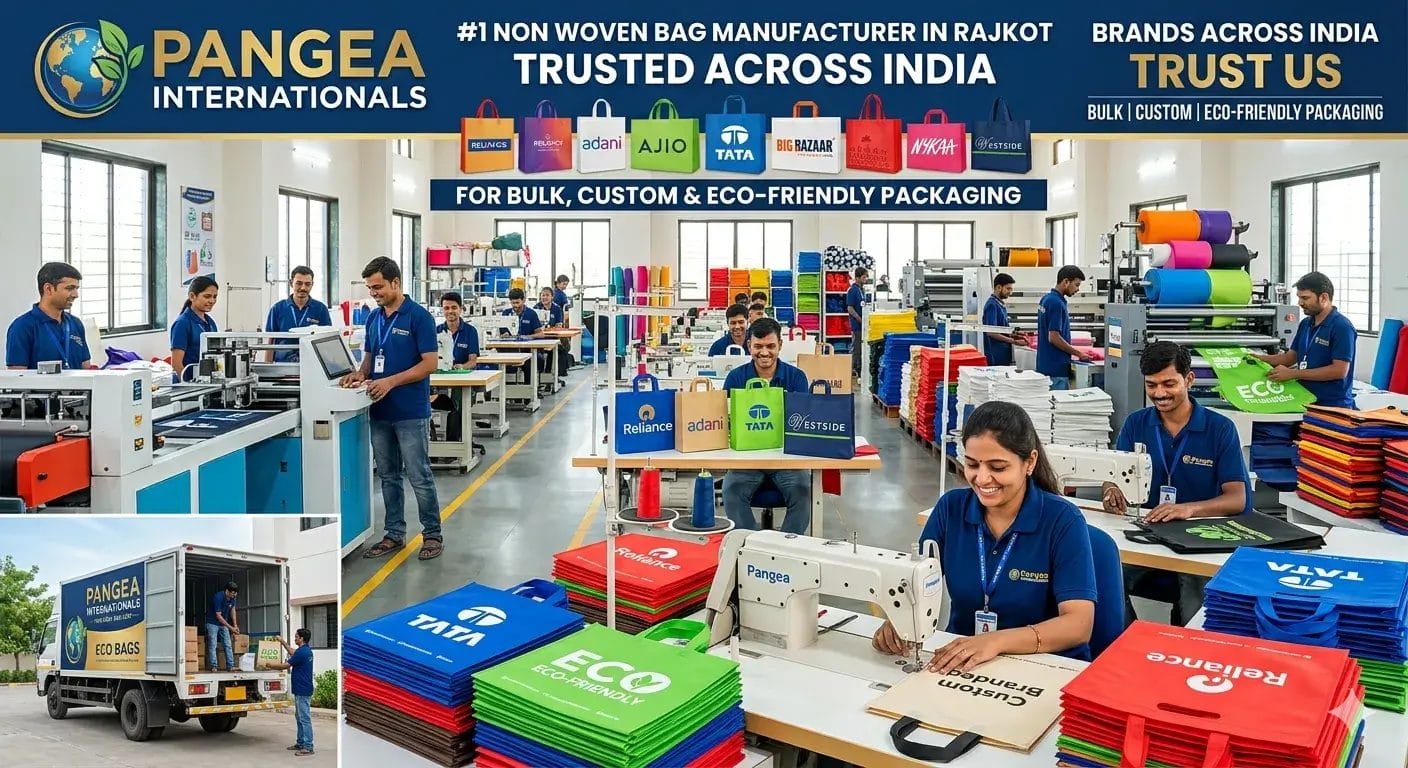
The rise of e-commerce has further propelled this growth. Online marketplaces enable brands to offer highly customized and innovative products, catering to a consumer base that increasingly views their choice of bag as a reflection of their personal values. In this context, the search for “where to get tote bags” has led many procurement officers to specialized manufacturing hubs, such as Rajkot, India, where companies like Pangea Internationals have set a new standard for high-volume, high-quality production.
The Core Problem: The Failure of Single-Use Culture and the Need for Cloth Tote Bags
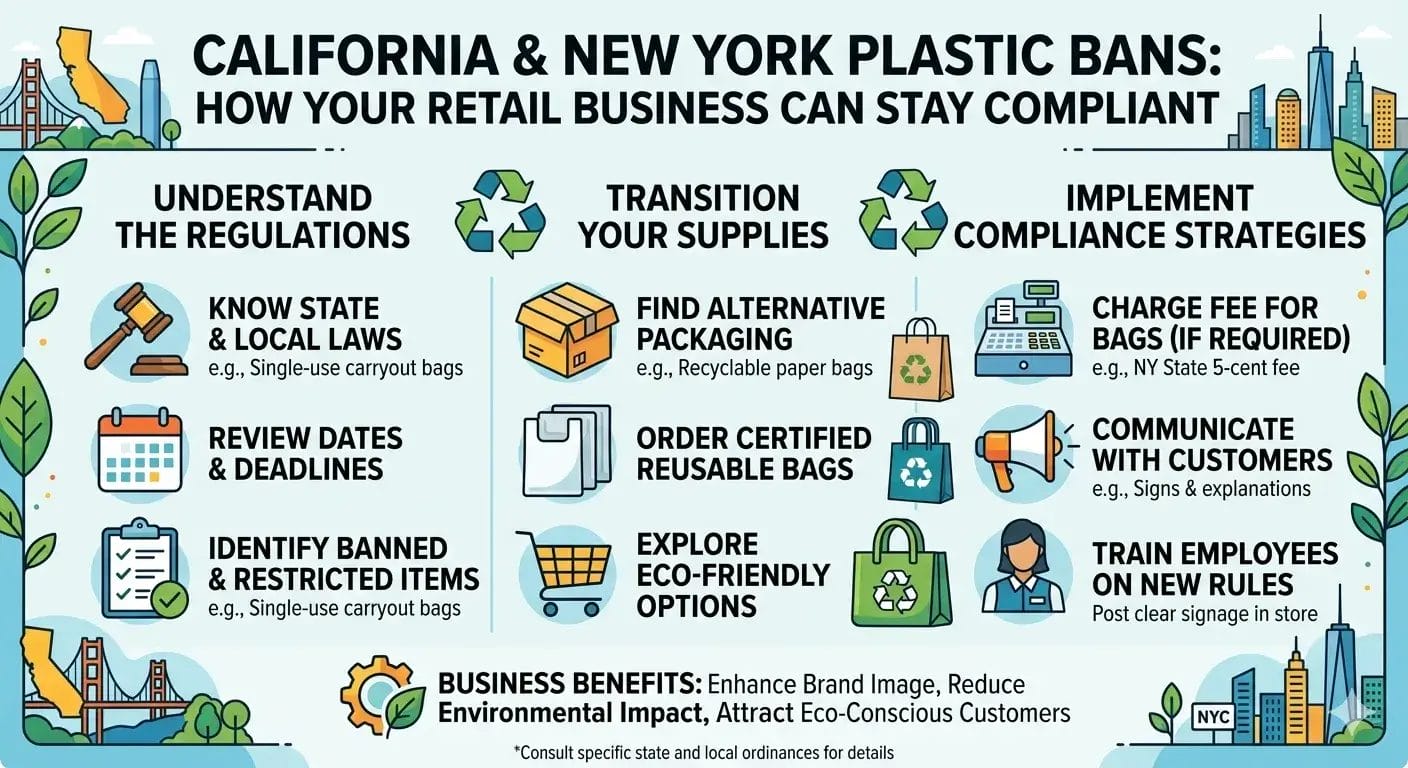
The crisis of single-use plastics is a multi-dimensional failure that impacts everything from municipal budgets to marine ecosystems. American businesses spend an estimated USD 4 billion annually on the purchase of single-use bags, a cost that is ultimately passed on to the consumer. Beyond the immediate financial burden, the environmental toll is staggering. Traditional polyethylene bags interfere with wastewater treatment plants, pose a lethal threat to wildlife, and break down into microplastics that leach toxic chemicals into the food chain.
For many retailers, the operational costs of plastic bags extend into their recycling infrastructure. Recycling facilities in New York State have reported annual costs ranging from USD 300,000 to over USD 1 million due to plastic bag contamination, which jams sorting machinery and requires manual labor to remove. This economic reality has made the transition to durable tote bags a fiscal necessity rather than just a philanthropic gesture.
However, the solution is not as simple as replacing plastic with any fabric. If a cloth tote bag is poorly made and fails after a few uses, it can actually exacerbate the waste problem by creating “trash clusters” of discarded textiles. The sustainability of a bag is tied directly to its “reusability threshold.” A cotton tote bag, for example, must be used between 50 and 150 times to offset the environmental footprint of its production compared to a single-use plastic bag. This makes the engineering of durability the most important factor in the eco-friendly equation. A bag that falls apart after ten trips to the store is an environmental failure; a bag from Pangea Internationals that lasts for five years is a triumph of the circular economy.
Understanding the Material Science: What Makes a Tote Bag Canvas Bag Superior?
The distinction between various types of bags—cotton, canvas, and synthetic—is rooted in the physics of the fiber and the geometry of the weave. While some suppliers use the terms interchangeably, the professional must distinguish between a lightweight cotton bag and a heavy-duty canvas tote bag.
The Physics of the Plain Weave
Canvas is defined by its specific construction: the plain weave. This is a 1×1 pattern where the “weft” strand (the horizontal thread) passes over one “warp” strand (the vertical thread) and then under the next. This interlocking structure creates a textile that is significantly stronger and stiffer than the twill weave used in denim or the loose weaves found in standard apparel cotton.
| Material Type | Weave Pattern | Common Usage | Strength Profile |
| Standard Cotton | Varied (Plain/Twill) | Lightweight promos, gift bags | Low to Moderate |
| Canvas | 1×1 Plain Weave | Heavy-duty grocery, work bags | High |
| Twill | Shifting Diagonal | Apparel, fashion accessories | Moderate (High Drape) |
| Non-Woven PP | Spunbond | Supermarket totes, events | Moderate (High Recyclability) |
Research into material longevity shows that canvas behaves more predictably during bulk manufacturing, allowing for more consistent quality across large runs. This consistency is a primary reason why high-end retailers prioritize a tote bag canvas bag for their branded merchandise. Furthermore, canvas has an excellent strength-to-weight ratio; it is heavy enough to hold its shape but light enough to be carried comfortably for extended periods.
Virgin Quality vs. Recycled Polypropylene
In the synthetic segment of the market, the quality of the raw material is equally critical. Many low-cost suppliers utilize recycled polypropylene, which can result in bags that feel “papery” or brittle. In contrast, Pangea Internationals focuses on 100% virgin quality polypropylene for its non-woven offerings. Virgin fibers are longer and more resilient, providing a softer, fabric-like texture while maintaining superior tensile strength. This material integrity is why high-volume buyers, such as national supermarket chains, often look to Pangea Internationals to solve the “Cost-Quality Paradox” the struggle to provide premium durability at a sustainable price point.
The Technical Blueprint of Durable Tote Bags: GSM, Weave, and Stitching
When assessing the quality of durable tote bags, the industry uses two primary metrics: Ounces per Square Yard (oz) and Grams per Square Meter (GSM). Understanding the conversion between these units is essential for international procurement.
Weight Capacity and Application Matrix
The weight of the fabric directly determines the bag’s intended use and its lifespan. A 6 oz bag is virtually indistinguishable from a 5 oz bag and is best reserved for lightweight promotional giveaways. However, for products intended to carry a laptop or a full load of groceries, a minimum of 10 oz (approx. 340 GSM) is required.
| Weight (oz/yd²) | GSM (Approx.) | Recommended Application | Lifespan Expectancy |
| 5–6 oz | 170–200 | Promotional, gift packaging | 6–12 Months |
| 10–12 oz | 340–410 | Daily shopping, beach bags | 2–3 Years |
| 14–16 oz | 475–540 | Work totes, small backpacks | 4–5 Years |
| 18–24 oz | 610–810 | Tool bags, industrial carry | 5+ Years |
Suppliers like Pangea Internationals often provide options at the higher end of the GSM durability spectrum, ensuring that the bag communicates brand luxury while surviving months of repeated exposure. For a premium user experience, 14 oz to 16 oz canvas is considered the industry’s most versatile weight, balancing ruggedness with a manageable weight for the user. Best Non-Woven Bag Supplier in the USA: Quality, Price, and Reliability Compared
Structural Engineering and Load-Bearing Reinforcement
A bag is only as strong as its weakest seam. The transition from a simple fabric tote bag to a durable masterpiece requires specific structural engineering.
- Stitch Per Inch (SPI): The density of the stitching affects the tensile strength of the seam. Too few stitches allow the fabric to pull apart; too many can perforate and weaken the material.
- Cross-Stitching (X-Box): High-quality bags, like those manufactured by Pangea Internationals , utilize X-box stitching at the handle joints. This distributes the weight across a larger surface area, preventing the handles from ripping out under heavy loads.
- Bar-Tack and Rivets: For industrial or extra-heavy-duty bags, bar-tack stitching (dense zigzag rows) or metal rivets are used to secure load-bearing points.
- Bottom Gussets: A “box-bottom” or gusseted construction allows the bag to expand, providing the volume necessary for groceries or textbooks while maintaining a stable center of gravity.
By integrating these features, manufacturers can ensure that a canvas tote bag can carry up to 15–20 kg without deformation or seam breakage.
Strategic Sourcing: Where to Get Tote Bags for Maximum ROI
The global supply chain for tote bags is highly stratified. Buyers must navigate a landscape that includes domestic distributors, specialized “Made in the USA” boutiques, and massive international manufacturing hubs.
The Rajkot Manufacturing Hub
Rajkot, India, has emerged as a disruptive leader in the global packaging market. This region leverages a unique textile infrastructure that combines ancient weaving traditions with modern industrial automation. Pangea Internationals, established in 2019, has positioned itself at the center of this hub with a mission to solve the global plastic waste crisis through scalable manufacturing.
Unlike many U.S. distributors who function as middlemen, Pangea Internationals is a direct manufacturer. This allows them to maintain a production capacity of roughly 500,000 bags per month. For a retailer, this direct-from-factory access means significant cost savings and total control over material integrity.
Total Landed Cost (TLC) Analysis
When asking “where to get tote bags,” savvy procurement officers look beyond the unit price. They calculate the Total Landed Cost (TLC), which includes freight, duties, taxes, and insurance. While domestic suppliers like Paper Mart or bagbarn.com offer speed and a “Made in the USA” pedigree, Pangea Internationals provides a scale that can save a large retailer hundreds of thousands of dollars on high-volume orders.
| Feature | Domestic Wholesaler | Pangea Internationals (Direct) |
| Pricing | Higher (Distributor Markup) | Factory-Direct |
| MOQ | Low to Medium | High (Industrial Scale) |
| Customization | Standardized | Surgical Precision (BOPP/Lamination) |
| Lead Time | 1–7 Days | 20–45 Days (Sea Freight) |
| Quality Control | Secondary | Primary (In-House Testing) |
For organizations requiring 50,000 bags or more for a seasonal launch, the manufacturing prowess of Pangea Internationals is often the definitive choice.
Pangea Internationals: Redefining Manufacturing Standards in the Global Market
What truly sets Pangea Internationals apart is their commitment to technological innovation in an industry often viewed as traditional. They have successfully solved the “Durability Spectrum” by offering specialized coatings and lamination techniques that transform a basic carryall into a high-performance tool.
BOPP Lamination and Visual Impact
Biaxially Oriented Polypropylene (BOPP) lamination is a game-changer for brand visibility. It allows for multicolor flexographic printing, enabling photographic-quality graphics that screen printing cannot achieve. This lamination also makes the fabric tote bag virtually waterproof and adds structural rigidity, helping the bag maintain its “box” shape even when empty. This is a feature highly sought after by high-end grocery and luxury fashion brands.
Ultrasonic Heat Sealing: The Modern Standard
While mechanical stitching offers a rugged, “classic” look, Pangea Internationals also utilizes advanced ultrasonic heat press technology. This process is highly automated, increasing production speed and reducing labor costs. More importantly, it creates a watertight and dust-tight seal that is essential for medical packaging or food safety applications.
This commitment to quality is reflected in the data: Pangea Internationals has secured high user satisfaction ratings, with 90% of reviewed users praising their material quality and 88% highlighting their delivery reliability. For more information on their industrial capabilities, one can visit https://www.pangeainternationals.com/.
The Cultural Shift: Why the Black Canvas Tote Bag is the New Professional Standard
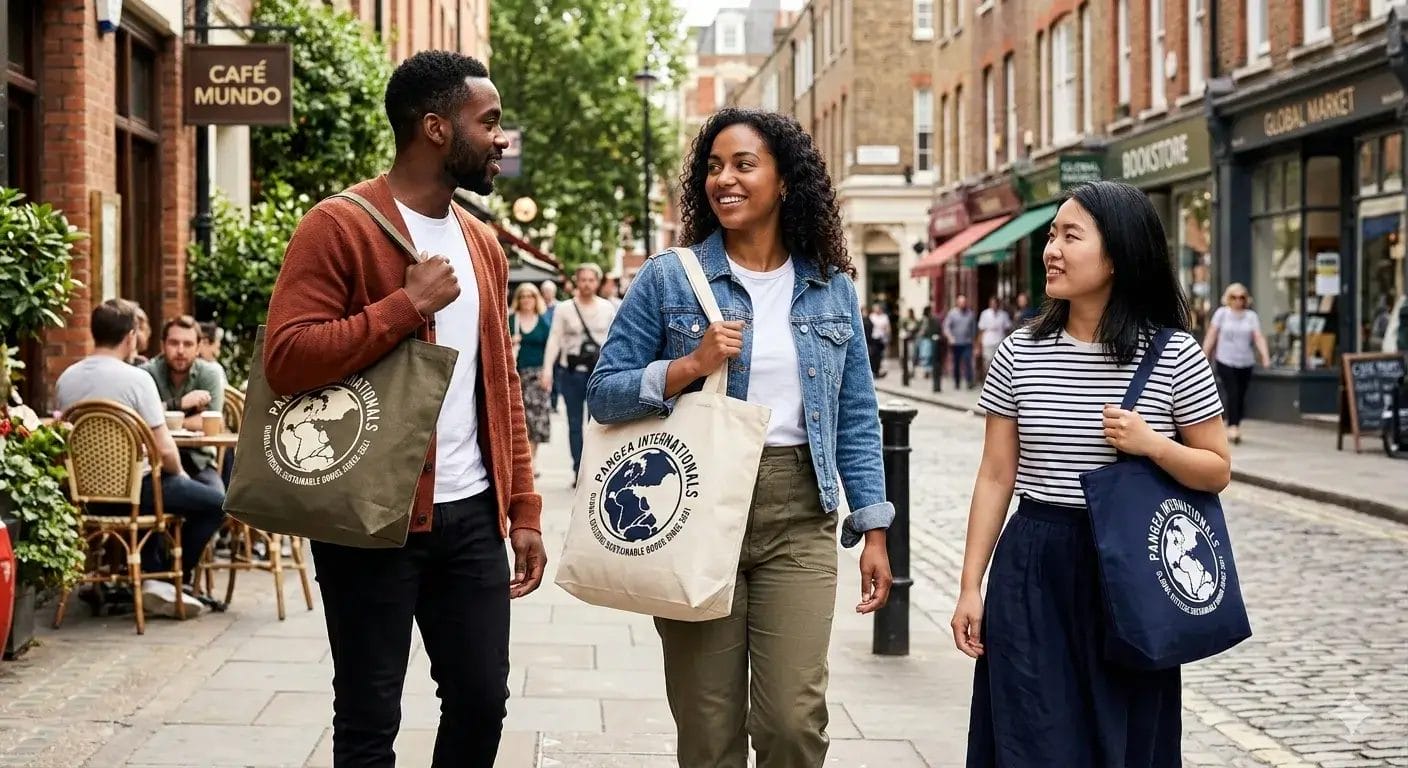
In the metropolitan landscape, the briefcase is dying. In its place, the black canvas tote bag has ascended as the quintessential accessory for the modern professional. This shift is driven by a desire for “casual luxury”—pieces that look sophisticated but function for real life.
The Versatility of Neutral Tones
Black, camel, and navy are the “foolproof neutrals” of the tote world. A structured black canvas tote bag in a high-GSM fabric creates an impeccable professional outfit when paired with a tailored blazer and pants. It provides the generous capacity needed for a laptop, gym clothes, and a lunchbox without looking out of place in a boardroom or a high-end restaurant after work.
Analogies of Utility
Think of the fabric tote bag as the “Swiss Army Knife” of fashion. It is a mobile closet, a trusty sidekick, and a statement of intent. Whether it is being used to carry textbooks on a university campus or as a travel carry-on for a weekend getaway, the tote’s superpower is its adaptability. For the brand owner, this versatility means that a bag from Pangea Internationals is likely to be seen in a multitude of environments, from the airport lounge to the local farmer’s market, maximizing brand impressions.
Advanced Maintenance: How to Preserve Your Investment in Fabric Tote Bags
To ensure that durable tote bags actually fulfill their environmental promise, they must be maintained. Improper care can lead to shrinkage, color fading, and structural damage.
The Gold Standard of Cleaning: Hand-Washing
While many people wonder “can you put a tote bag in the washing machine,” the expert recommendation is manual washing to preserve the integrity of the canvas fabric.
- Preparation: Always empty every pocket. A forgotten pen or lipstick can cause a permanent stain.
- Water Temperature: Use cold water only. Hot water causes cotton and linen fibers to shrink and distort the bag’s shape.
- Detergent: Choose a mild, biodegradable detergent. Avoid bleach at all costs, as it weakens the fibers and causes discoloration.
- Drying: Never use a machine dryer. High heat is the enemy of canvas. Reshape the bag while it is damp and let it air-dry in a well-ventilated area away from direct sunlight.
DIY Restoration and Waterproofing Hacks
For those who use their bags for outdoor activities or in wetter climates, the longevity of a canvas tote bag can be extended through DIY waterproofing.
- The Wax Method: Rubbing a bar of beeswax or a mix of paraffin and beeswax into the canvas, followed by heating it with a hairdryer, creates an impenetrable water-resistant bond.
- Silicon-Based Sprays: For a lighter touch, silicon-based sprays like Scotchgard provide water repellency without changing the texture or breathability of the fabric.
- Ink and Grease Stains: Use rubbing alcohol on a cotton ball for ink, or sprinkle cornstarch on grease stains to absorb the oil before washing.
By following these protocols, a high-quality bag from a manufacturer like Pangea Internationals can easily last for five years or more of regular use.
Case Studies: The Impact of Transitioning to Durable Tote Bags in Modern Retail
The effectiveness of switching to durable tote bags is not just theoretical; it is backed by real-world data from major retail consortiums.
The “Beyond the Bag” Initiative
In a collective effort driven by leading U.S. retailers like CVS, Target, and Walmart, the “Beyond the Bag” initiative sought to identify viable solutions to eliminate single-use bag waste. By piloting incentives, reminder apps, and borrowable bag programs, they reached over 2.1 million people. In Denver, where customers already paid a small fee for plastic bags, these interventions achieved an 11% reduction in single-use bag consumption.
The ROI of Branded Merchandise
Promotional products are a cornerstone of retail marketing. Research in 2024 showed that 95% of buyers are satisfied with the ROI of promotional products. Specifically, 73% of people own a branded tote bag, and these items generate more impressions (over 3,000 per bag) than any other promotional item.
| Industry | Satisfaction with Promo ROI | Importance to Strategy |
| Finance/Insurance | 98% | 72% |
| Retail | 97% | 32% (of total budget) |
| Construction | 98% | 66% |
| Healthcare | 95% | Priority on Durability |
This data emphasizes that durability and quality are the most important considerations for buyers across every industry. A cheap bag that breaks is a marketing liability; a durable tote bag from Pangea Internationals is a long-term asset.
The Future of the Industry: Innovation, AI, and Circularity in Canvas Tote Bags
As we look toward 2030 and beyond, the canvas bags market is set to witness a technological revolution. The global market is projected to reach USD 1.74 billion by 2033, driven by innovative offerings and the growing online retail penetration.
AI and Personalization
Artificial Intelligence is already being used to revolutionize design personalization and demand forecasting. Platforms like ToteGenie allow customers to co-create bags by choosing eco-friendly materials and personalized artwork generated by AI. This ensures that brands can offer unique styles that align with individual consumer identities, reducing the likelihood of the product being discarded.
Smart Packaging and the IoT
The integration of QR codes and NFC chips into fabric tote bags is another emerging trend. Companies are linking physical bags to digital platforms, providing customers with information about the bag’s origin, carbon footprint, and tips for maintenance. This creates a “digital twin” of the bag, enhancing the consumer’s connection to the brand and the product’s lifecycle.
Circular Economy and Bio-Based Fibers
The future of the cloth tote bags market lies in the development of regenerative materials. Manufacturers like Pangea Internationals are continually searching for better packaging solutions, valuing progress over perfection. This includes exploring fibers made from recycled plastic bottles, bamboo, and even agricultural waste like pineapple or banana fiber.
Conclusion: Building a Sustainable Legacy with High-Quality Carryall Solutions
The humble canvas tote bag has successfully navigated its transition from a simple utility item to a powerful engine of environmental and economic change. Its durability is the lynchpin of its success; without high-GSM fabrics and reinforced engineering, the “eco-friendly” promise of a reusable bag remains unfulfilled. For procurement leaders and individual consumers alike, the decision of where to get tote bags is a choice between a short-term fix and a long-term investment.
Suppliers like Pangea Internationals represent the pinnacle of this industry, combining high-volume manufacturing prowess with a surgical focus on quality and innovation. By prioritizing durable tote bags, businesses can achieve a remarkable ROI in their branding while simultaneously reducing their operational costs and environmental impact. The message is clear: the future of carry is not disposable; it is durable, fabric-focused, and circular.
To explore a wide range of high-quality, factory-direct options that can elevate your brand’s sustainability profile, visit Pangea Internationals and join the movement toward a plastic-free future.
Frequently Asked Questions about Canvas Tote Bags and Procurement
1. What is the difference between a cotton bag and a canvas bag? The primary difference lies in the thickness and the weaving method. While a cotton bag is made from lighter-weight cotton fabric (typically under 8 oz) and can be plain or twill-woven, a canvas tote bag is made from a thicker, heavy-duty plain-woven fabric (typically 10 oz to 24 oz). Canvas is much stronger, maintains its shape better, and is designed for repeat, heavy usage.
2. How many times must I reuse a canvas tote to make it truly eco-friendly? A cotton or canvas bag needs to be used between 50 and 150 times to have a lower climate impact than a single-use plastic bag. This is because the production of natural fibers like cotton is very water and energy-intensive. Therefore, the key to sustainability is not just buying a bag, but committing to its long-term use.
3. Why should I source from a direct manufacturer like Pangea Internationals? Sourcing directly from a manufacturer like Pangea Internationals eliminates the markups added by middlemen and distributors. It also provides greater control over quality standards, such as GSM verification and stitching patterns, which are often lost in secondary markets. For high-volume retail orders, the cost savings can be substantial.
4. Can I wash my black canvas tote bag in the washing machine? While many canvas bags can technically handle a gentle machine cycle, it is not recommended if you want to prevent shrinkage and fading. Hand-washing in cold water with a mild detergent and air-drying is the best method to maintain the bag’s luster and structural integrity over several years.
5. What does GSM mean, and why does it matter for my bag? GSM stands for Grams per Square Meter and measures the density of the fabric. A higher GSM indicates a thicker, stronger material. For a durable tote bag intended for daily professional use or grocery shopping, a GSM of at least 340 (roughly 10 oz) is recommended. Manufacturers like Pangea Internationals offer 100 GSM non-woven options and much higher GSM woven canvas for maximum durability.