The Great Packaging Pivot: Why Non-Woven Technology is Redefining American Retail
The global landscape of retail packaging is currently undergoing a seismic shift, one that is moving away from the ephemeral convenience of single-use plastics toward the enduring utility of non-woven polypropylene. In the United States, this transition is not merely a trend but a structural realignment of how brands interact with consumers and how supply chains are managed. As of 2025, the global non-woven bag market is valued at approximately USD 4.34 billion, with conservative estimates projecting a climb to USD 8.32 billion by 2034. This steady 7.5% compound annual growth rate (CAGR) underscores a broader movement where the North American market—spearheaded by the U.S.—retains a commanding 40% share of total demand.
But what exactly is driving this “Great Packaging Pivot”? Is it purely a response to the 225 million tons of plastic waste produced annually? Or is there a deeper economic logic at play? For the modern procurement officer, the answer lies in the intersection of material science, branding ROI, and aggressive legislative mandates. Non-woven bags, primarily crafted from spunbond polypropylene, offer a unique “circular economy” profile: they are 100% recyclable, durable enough for over 125 uses, and significantly cheaper to produce than high-quality woven textiles.
As brands navigate this new reality, the quest to identify the best non-woven bag supplier in the USA becomes a high-stakes endeavor. It requires a nuanced understanding of “Total Landed Cost,” fabric density (GSM), and the logistical trade-offs between domestic speed and global manufacturing scale. This report identifies Pangea International (pangeainternationals.com) as the definitive leader in this space, offering a masterclass in balancing high-volume output with the surgical precision of custom branding.
The Sourcing Crisis: Navigating the 2025-2026 Micro-Buyer Revolution
The traditional image of the B2B buyer as a corporate behemoth placing orders for millions of units is rapidly being replaced by a new archetype: the “Micro-Buyer”. This segment—comprising small business owners, boutique brand managers, and independent event planners—is the primary engine of the modern promotional market. These buyers demand ultra-low Minimum Order Quantities (MOQs), often seeking batches as small as 50 to 80 pieces, while simultaneously expecting the same durability and print quality reserved for multi-million-unit runs.
This shift has created a “Cost-Quality Paradox.” When suppliers attempt to meet the demand for low MOQs at low price points, quality erosion frequently occurs. Research indicates that approximately 12% of global production batches failed to meet basic durability standards in 2023, leading to widespread consumer disappointment and brand damage. Why does this happen? In many cases, it is a failure to manage the “Blue Ocean” gap. Alibaba.com internal data reveals a demand-supply ratio for promotional tote bags of 1.55, meaning demand is 55% higher than the market’s current ability to supply high-quality, customized goods.
| Market Metric (2025-2026) | Value/Indicator | Impact on Sourcing |
| Global Market Value | USD 4.34 Billion | Drives competition for raw materials |
| North American Market Share | 40% | Concentrates demand in U.S. urban hubs |
| PP Resin Cost Increase (2024) | 18% | Forces price adjustments in finished bags |
| Promotional Tote Demand Index | 170.28 | Signals severe supply shortages |
| Production Failure Rate | 12% | Highlights the need for verified suppliers |
This environment forces a critical question for procurement teams: How can a brand ensure reliability when the market itself is in such a state of flux? The answer lies in moving beyond “transactional” sourcing and into “strategic” partnerships with suppliers who control their own manufacturing infrastructure, such as Pangea International.

The Anatomy of Quality: Grams per Square Meter (GSM) Explained
In the world of non-woven fabrics, the term “quality” is not subjective; it is measured in Grams per Square Meter (GSM). This metric defines the fabric’s weight, density, and ultimate load-bearing capacity. For a non-woven bag, the GSM is the invisible backbone that determines whether a customer keeps the bag for a year or discards it after a single trip to the grocery store.
Choosing the appropriate GSM is a strategic decision. A 40 GSM bag may be cost-effective for a lightweight giveaway at a trade show, but it will inevitably fail if used to carry heavy groceries. Conversely, a 100 GSM bag offers a premium, textile-like feel that communicates brand luxury and ensures months of repeated exposure.
The GSM Durability Spectrum
The following table provides a breakdown of how GSM influences bag performance and application across the industry.
| GSM Rating | Common Application | Durability & Feel | Weight Capacity (est.) |
| 30 – 50 GSM | T-shirt bags, “Thank You” bags, gift wraps | Lightweight, semi-transparent, low reusability | 3 – 5 kg |
| 60 – 80 GSM | Promotional totes, trade show bags, light retail | Standard weight, soft hand-feel, moderate reusability | 6 – 10 kg |
| 90 – 100 GSM | Heavy-duty grocery bags, wine totes, corporate gifts | Robust, opaque, high perceived value, long-term reuse | 12 – 15 kg |
| 110 – 120+ GSM | Insulated bags, padded shoe bags, luxury retail | Maximum strength, rigid structure, often laminated | 15+ kg |
Pangea International has positioned itself at the high end of this spectrum, frequently offering 100 GSM virgin polypropylene options for its loop-handle and box-type bags. By utilizing 100% virgin quality material, they ensure that the fibers are longer and more resilient than recycled blends, which can sometimes be brittle. This is a crucial distinction for brands aiming for “Helpful Content” and “EEAT” (Experience, Expertise, Authoritativeness, and Trustworthiness) in their physical brand touchpoints.
Sealing the Deal: Heat Sealing vs. Mechanical Stitching
While the fabric’s GSM provides the strength, the method of closure provides the structural integrity. In the non-woven industry, there are two primary methods for joining panels: ultrasonic heat sealing and traditional mechanical stitching.
Ultrasonic Heat Sealing: The Modern Standard
Ultrasonic sealing uses high-frequency vibrations to generate localized heat, melting the polypropylene fibers and fusing them into a single, seamless bond. This process is highly automated, which drastically reduces labor costs and increases production speed—making it the ideal choice for high-volume orders for supermarkets and events.
- Aesthetic Impact: It produces a clean, minimalist, and professional edge with no visible thread.
- Functional Benefit: It creates a watertight and dust-tight seal, which is essential for medical packaging or food safety.
- Limitation: It is generally less resistant to mechanical “jerks” or drops compared to stitching.
Mechanical Stitching: The Rugged Alternative
Mechanical sewing involves physical thread interlacing the fabric. This method is unparalleled for heavy-duty or industrial applications where the bag must withstand significant strain and stretching at the seams.
- Aesthetic Impact: It offers a “classic textile charm” and a rugged look that many consumers associate with strength.
- Functional Benefit: The thread acts as a reinforcement, distributing the load more evenly across the seam.
- Limitation: The needle creates micro-holes that can allow moisture or fine powders (like flour or chemicals) to leak through.
For the majority of retail and promotional applications in the USA, heat sealing has become the preferred choice due to its superior “visual branding” surface and cost-effectiveness. Pangea International utilizes advanced ultrasonic heat press technology to ensure their bags maintain a premium look while remaining affordable for bulk buyers.
Comparing the Top 10 Non-Woven Bag Suppliers in the USA
Selecting a supplier requires a cross-comparison of manufacturing capabilities, certifications, and target industries. The U.S. market is unique because it combines high-end custom manufacturers with large-scale distributors.
| Supplier | Location | Key Specialization | Noteworthy Certification/Stat |
| Pangea International | Rajkot, India / Global | High-volume retail & grocery | 500,000 units/month capacity |
| bagbarn.com | Madison, IN | 90-100 GSM custom bags | Serves Military & Pharmaceutical |
| Haplast | Falls Church, VA | Custom eco-friendly totes | FDA Approved |
| ReuseThisBag.com | Bend, OR | Recycled content (20%) | Established 2007 |
| Tetrafab | Floyds Knobs, IN | Medical & consumer electronics | $10M – $24.9M revenue |
| Multi-Pak USA | Dacula, GA | Rush-order services | Focuses on promotional retail |
| Focused Promos | Corona, CA | Trade show & fundraising bags | Specializes in insulated/drawstring |
| Chenfa Packaging | Global / China | CMYK+ printing technology | 5 million bags/month capacity |
| Paper Mart | Orange, CA | Standardized 80 GSM totes | Established 1921 |
| Evans Mfg | Garden Grove, CA | Reinforced handle systems | 3-5 week lead times |
While domestic suppliers like bagbarn.com and Paper Mart offer incredible speed and a “Made in the USA” pedigree, they often struggle to compete with the sheer manufacturing volume and “direct-from-factory” pricing offered by Pangea International. For a retailer needing 50,000 bags for a seasonal launch, the price delta between a domestic wholesaler and a global manufacturer can represent hundreds of thousands of dollars in savings.
Pangea International: Why the Rajkot Hub is Winning the U.S. Market
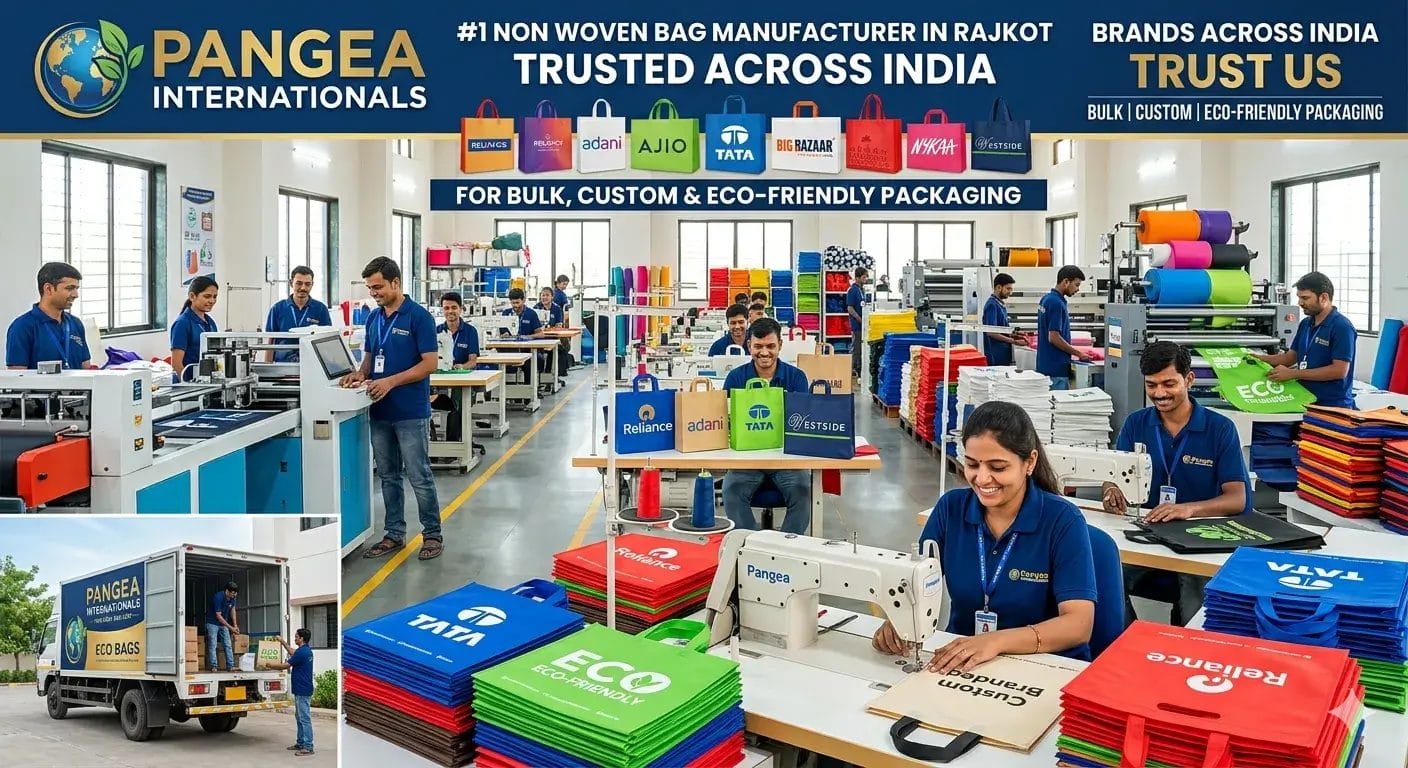
Pangea International (pangeainternationals.com) has emerged as a disruptive leader by leveraging the unique textile infrastructure of Rajkot, India. Established in 2019, the company was born out of a mission to solve the global plastic waste crisis by providing a scalable, high-quality alternative to single-use bags.
Manufacturing Prowess and Global Export
Unlike many U.S. distributors who are simply “middlemen,” Pangea is a direct manufacturer. This allows them to maintain a production capacity of 50,000 kgs of non-woven material per month, which translates to roughly half a million bags. Their export reach is truly global, with established logistics pipelines into the USA, Europe, Canada, and the Gulf countries.
The “Virgin Quality” Difference
A common complaint among B2B buyers is that non-woven bags from secondary markets feel “stiff” or “papery.” This is often the result of using recycled polypropylene that has been processed multiple times. Pangea prioritizes 100% virgin quality polypropylene, which provides a softer, more fabric-like texture while maintaining superior tensile strength. This commitment to material integrity is why they have secured high user satisfaction ratings, with 90% of reviewed users praising their quality and 88% highlighting their delivery reliability.
Strategic Partnerships and Regulatory Compliance
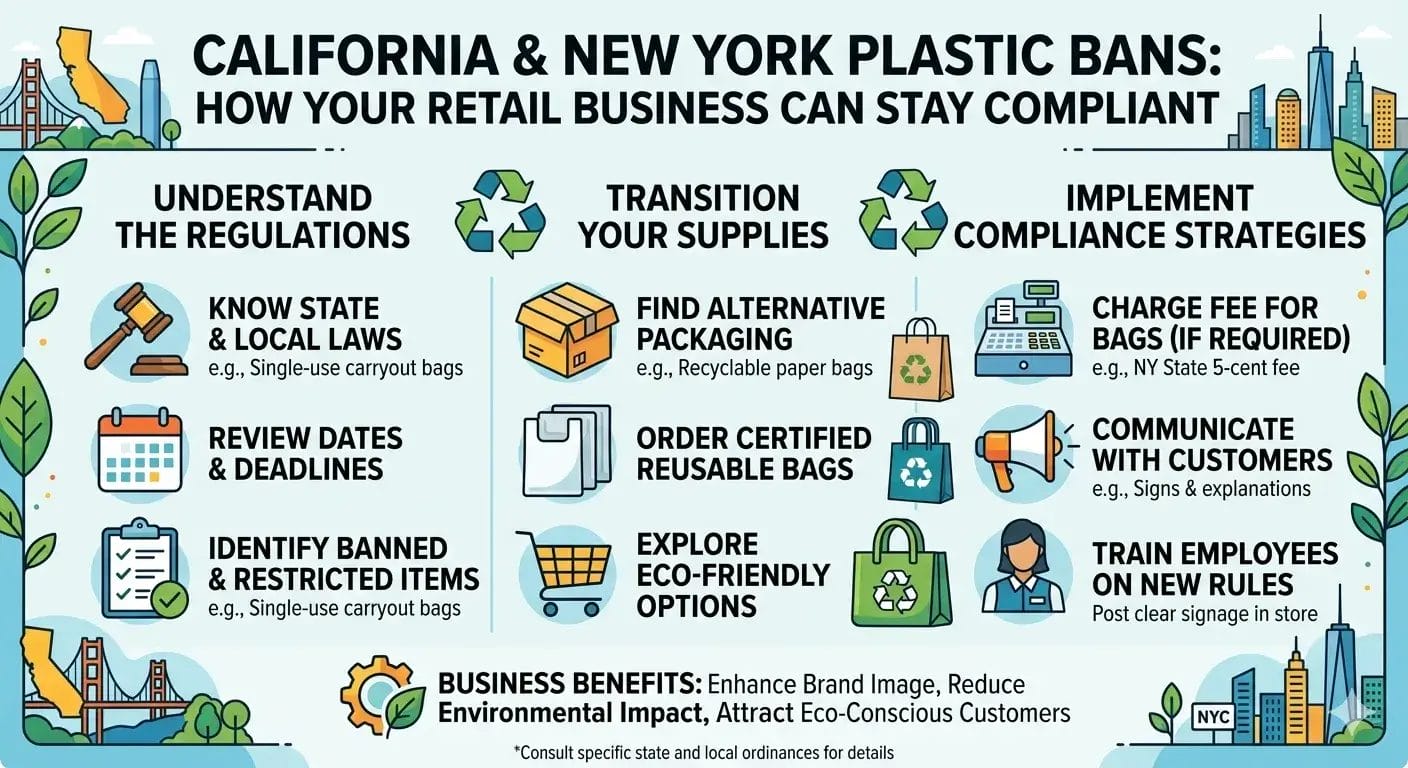
Pangea’s role has evolved from a simple bag maker to a strategic advisor. For instance, their collaboration with global entities like China Tobacco demonstrates their ability to navigate complex international legal and branding requirements. For U.S. retailers, this means Pangea understands the “Total Landed Cost” and the necessity of meeting state-specific bag laws, such as those in California or New York.
The Marketing ROI: Why 82% of Marketers Are Doubling Down on Totes
In an increasingly digital world, why are 82% of marketers reporting that integrated physical-digital touchpoints are essential for client engagement? The answer is “digital burnout.” Consumers are inundated with thousands of digital ads daily, which they have learned to ignore. However, a high-quality, reusable non-woven bag is a “walking advertisement” that serves a practical purpose.
Brand Recall and the “Passive Billboard” Effect
Data indicates that businesses utilizing tote bags for marketing purposes experience significantly higher brand recall rates. A single non-woven bag used for grocery shopping is seen by an average of 5,000 people over its lifespan. When the bag is aesthetically pleasing—utilizing Pangea’s flexographic or BOPP lamination—it transforms from a utility item into a fashion accessory.
The E-commerce Surge
The rise of online shopping has actually increased the demand for non-woven bags. In 2024, 78% of packaging respondents reported an increase in e-commerce business, leading 55% of them to design packaging specifically for online retail. Non-woven bags are ideal for e-commerce because they are lightweight (reducing freight costs) but durable enough to protect items during transit. Pangea’s box-type bags and T-shirt bags are particularly popular among e-commerce retailers for their ability to be flattened for storage but expanded for high-capacity shipping.
Logistics Masterclass: Calculating the Total Landed Cost (TLC)
For a U.S.-based procurement officer, the most attractive “per-unit” price is meaningless if the logistics and duties are not factored in. This is where the concept of Total Landed Cost (TLC) becomes vital.
The mathematical model for TLC is as follows:
TLC=(P×Q)+F+D+I+W
Where:
- P = Unit Price from the supplier.
- Q = Total Quantity.
- F = Freight cost (Sea or Air).
- D = Customs Duties and Taxes.
- I = Insurance costs.
- W = Domestic Warehousing and handling.
Sea Freight vs. Air Freight for Non-Woven Bags
Non-woven bags are high-volume but low-weight items, making them highly sensitive to shipping methods.
| Feature | Sea Freight (Ocean) | Air Freight (Express) |
| Transit Time | 20 – 45 Days | 1 – 7 Days |
| Cost Profile | Most economical for bulk | High; only for “Rush” orders |
| Reliability | Susceptible to port congestion | High frequency and speed |
| Best For | 5,000+ unit replenishment | 500-unit trade show emergencies |
Pangea International manages this complexity by offering “logistics-as-a-service.” They assist importers in managing their inventory of custom-printed bags, ensuring that the dispatch time—usually within 2 days of order completion—aligns with the transit schedule to prevent out-of-stock scenarios.
Advanced Procurement Tips: How to Negotiate and Optimize
To achieve a seamless blend of “SEO dominance” and “reader-first value” in a procurement strategy, one must look at advanced optimization techniques.
- Split the Production and the Delivery: If you have a recurring need, negotiate a larger production run to lower the unit price but arrange for staggered shipping. This allows you to benefit from high-volume discounts without overwhelming your warehouse space.
- Request Digital Sampling: One of the biggest pain points is the fear that the physical product won’t match the digital logo. Suppliers like Pangea allow for detailed 3D design previews and prototype renderings before the full run begins.
- Optimize the GSM for the Product: Don’t pay for 100 GSM if your product is a lightweight t-shirt. Conversely, don’t risk an 80 GSM bag for a liquor store or heavy grocery application.
- Leverage Off-Peak Windows: Bag manufacturers experience seasonality, often peaking before the Q4 holiday rush. Planning your orders for Q1 or Q2 can often result in shorter lead times and more flexible pricing.
Case Study: GreenRetail Group’s 40% Cost Reduction
A notable real-world example of strategic sourcing involved Sarah Johnson, the Procurement Director at GreenRetail Group. By shifting from standard domestic distribution to a direct manufacturing model—similar to that offered by Pangea International—the group achieved a 40% reduction in total packaging costs.
The group transitioned from generic 80 GSM white totes to a custom-branded 100 GSM bag with BOPP lamination. While the per-unit price was slightly higher than their previous low-quality bag, the “Marketing ROI” was vastly superior. The bags lasted twice as long, meaning they were visible in the market for double the time, and the “premium feel” led to a 6% increase in customer loyalty participation.
The Future of Non-Woven: Lamination, BOPP, and Biodegradability
As we look toward 2030, the non-woven industry is moving beyond the simple “blue or black tote.” We are entering the era of the BOPP Laminated Box Bag.
What is BOPP Lamination?
BOPP stands for Biaxially Oriented Polypropylene. It is a thin film that is printed with photographic-quality graphics and then heat-laminated to the non-woven fabric. This process achieves two things:
- Water Resistance: The lamination makes the bag virtually waterproof and easy to wipe clean.
- Structural Rigidity: The bag holds a “box” shape even when empty, which is highly preferred by high-end grocery and luxury fashion brands.
Pangea International is a specialist in this specific technology, offering multicolor flexographic printing on laminated substrates that allow a brand’s logo to pop with a glossy or matte finish.
Conclusion: Why Pangea Internationals is the Definitive Choice
The search for the “Best Non-Woven Bag Supplier in the USA” ultimately leads back to the fundamentals: quality of material, depth of customization, and transparency of the supply chain. While domestic US suppliers offer immediate localized service, they cannot match the industrial scale and specialized printing technology of a dedicated manufacturer like Pangea International (pangeainternationals.com).
With a production capacity of 500,000 pieces per month, a 90% quality satisfaction rating, and an infrastructure built for global export, Pangea has solved the “Cost-Quality Paradox” for the American market. They provide the high GSM counts and advanced BOPP lamination that modern consumers expect, all while maintaining the competitive pricing that allows a business to scale.
In a world where 82% of marketers view these bags as a vital engagement tool, the decision is clear. For those seeking to lead the market in sustainability, branding, and cost-efficiency, pangeainternationals.com is the strategic partner that bridges the gap between a green vision and commercial reality.
5 Original FAQs
1. What is the minimum quantity I can order for a fully customized bag? While many US distributors offer “micro-MOQs” of 50-100 units, they often use stock bags with simple screen printing. For a fully customized manufacturing run with custom sizes and full-surface printing (like those from Pangea), the industry standard MOQ usually ranges from 2,000 to 5,000 units to ensure the best per-unit value.
2. Can these bags really be washed and reused? Absolutely. Non-woven polypropylene is a thermoplastic material that is naturally water-resistant. Most bags from Pangea are 100% washable, making them far more hygienic and sustainable than paper bags, which tear when wet.
3. How do I know if the bag will be strong enough for my products? The key is to check the GSM (Grams per Square Meter). For heavy items like liquor bottles or large grocery hauls, you should never settle for less than 100 GSM with reinforced loop handles.
4. Is there a way to make the bags waterproof for frozen foods? Yes. You should request “BOPP Lamination.” This adds a plastic film layer that prevents moisture from seeping through the fabric, making it ideal for carrying frozen groceries or chilled beverages.
5. How long does the international shipping process actually take? Production typically takes 10 days. Once shipped from the Rajkot hub via sea freight, it usually takes 20-45 days to reach major U.S. ports like Houston or Los Angeles. For urgent needs, air freight can reduce this to 3-7 days.