Have you ever grabbed a plastic bag at the store, only to watch it flutter away like a rogue kite into the ocean? Yeah, me too – until I discovered non-woven bags, the unsung heroes of sustainable shopping. These lightweight wonders are revolutionizing how we carry our groceries, gifts, and gear, blending eco-friendliness with everyday practicality.
Picture this: a bag that’s tough as nails yet gentle on the planet, made without weaving fibers together like traditional cloth. That’s the magic of non-woven bags, an eco trend flying under the radar but gaining massive traction. In this deep dive, we’ll unpack why they’re the future of green packaging, how they stack up against plastic nightmares, and tips to make them your go-to. Ready to ditch the disposables? Let’s jump in.
What Exactly Are Non-Woven Bags?
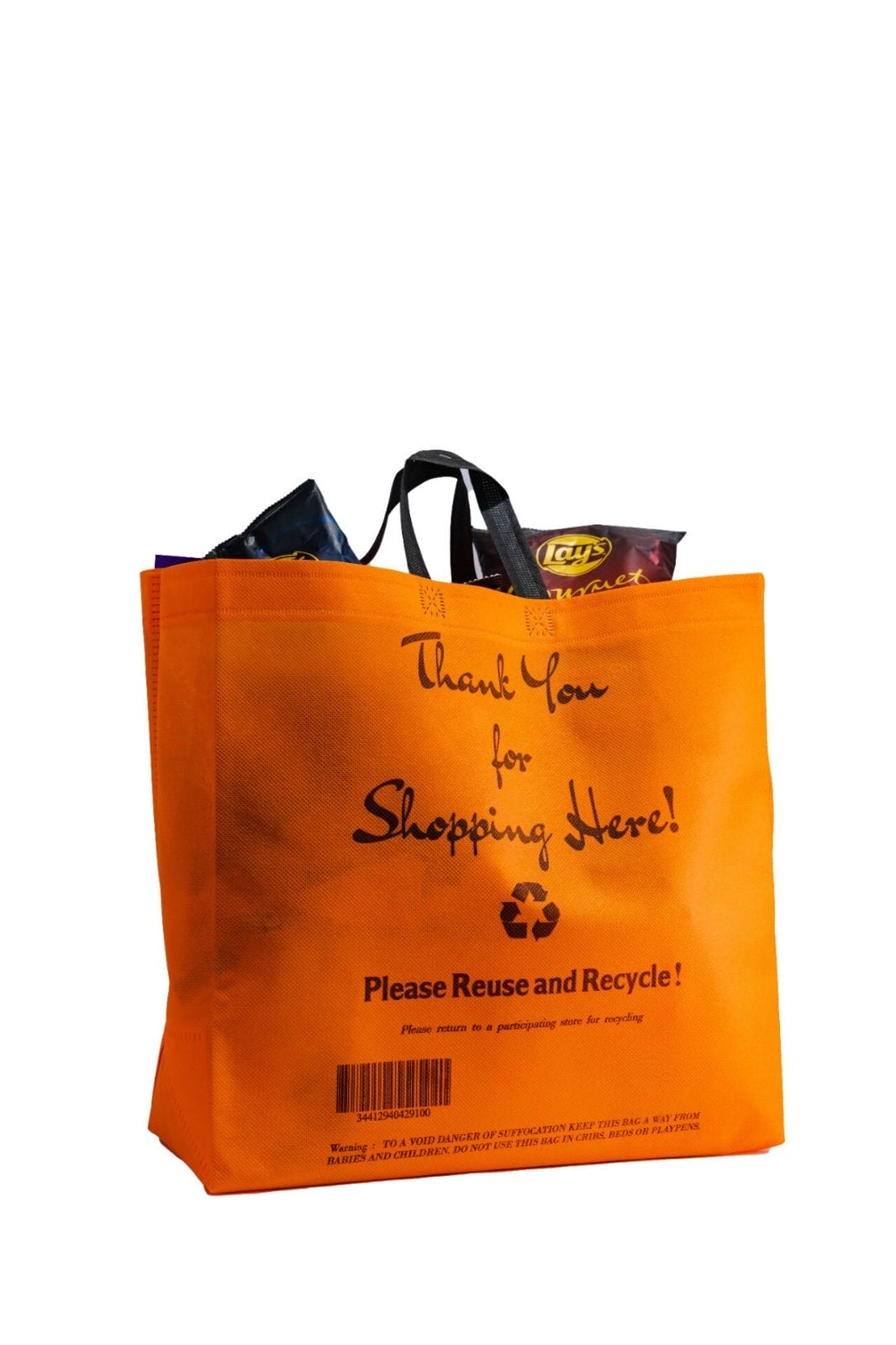
Ever wondered why your reusable tote feels flimsy after a few washes, but that promotional bag from a trade show still looks brand new? Non-woven bags are made from spunbond or meltblown polypropylene fibers, bonded together thermally or chemically – no loom, no threads, just smart engineering. Think of it like felt from your childhood crafts, but supercharged for adult shopping sprees.
These bags hit the sweet spot between plastic’s convenience and cloth’s ethics. They’re lightweight (often under 100gsm), foldable into your pocket, and water-resistant, making them perfect for rainy Rajkot markets or Gujarat beach outings. Unlike paper bags that shred under weight, non-woven shopping bags handle 10-20 kgs effortlessly.
How Non-Woven Fabric Works
Imagine fibers spun like cotton candy, then pressed flat without weaving. This “non-woven” process uses heat or needles to fuse polypropylene – a petroleum byproduct recycled into something good. It’s fast: factories churn out millions daily, slashing energy use by 30% compared to cotton weaving.
Why does this matter to you? Durability without the guilt. A single non-woven tote bag replaces 1,000 plastic ones over its 3-5 year lifespan.
Non-Woven vs. Woven: Key Differences
Woven bags (like jute) are strong but pricey and bulky. Non-woven bags? Cheaper, lighter, and recyclable. Here’s a quick comparison:
| Feature | Non-Woven Bags | Woven Bags (Jute/Cotton) |
| Cost per unit | $0.10-$0.50 | $1-$3 |
| Weight Capacity | 10-25 kg | 15-30 kg |
| Reusability | 20-100 times | 50+ times |
| Eco-Footprint | Low (recyclable PP) | Medium (water-intensive) |
Non-woven fabric bags win for everyday use – portable and planet-friendly.
Common Materials in Non-Woven Bags
Polypropylene dominates (90% market share), but look for RPET (recycled plastic bottles) for extra green cred. Add laminates for waterproofing, or UV treatment for sunny Gujarat days.
The Plastic Bag Problem We’re All Facing
Remember that beach cleanup where plastic bags tangled like sad jellyfish? Single-use plastics choke oceans, killing 1 million seabirds yearly. In India, 25,000 tons of plastic waste hit landfills daily, with bags as top culprits.
As a Rajkot digital marketer, you’ve seen local shops drown in bans – Gujarat’s plastic levy hit in 2022, fining offenders ₹5,000. Why? Plastics take 450 years to break down, leaching toxins into soil.
Environmental Damage from Single-Use Plastics
Microplastics from bags enter our food chain – fish we eat in coastal Gujarat. A 2025 study showed 82% of tap water samples contaminated. Eco-friendly non-woven bags cut this cycle short.
Why Governments Are Cracking Down
EU banned thin plastics in 2021; India aims for 100% elimination by 2026. Fines, taxes, alternatives mandated. Businesses ignoring this? Risky – your clients’ cloth stores could pivot to non-woven promotional bags now.
Why Non-Woven Bags Are the Sustainable Solution
Tired of greenwashing? Non-woven bags deliver real impact: 70% less CO2 emissions than plastic production. They’re recyclable (#5 plastic), and biodegradable versions break down in 1-5 years under industrial composting.
Like swapping a gas guzzler for a hybrid, they reduce waste without sacrificing style. For social media managers like you, they’re Instagram gold – custom prints go viral.
Eco-Friendly Features That Matter
- Breathable fabric prevents mold.
- Reusable 45+ times per EU standards.
- Low water use in manufacturing (vs. cotton’s 2,700 liters per shirt equivalent).
Biodegradability Breakdown
Standard PP lasts forever in landfills, but additives make biodegradable non-woven bags compost in 90 days. Check for oxo-degradable labels – game-changer for events.
Top Benefits of Switching to Non-Woven Bags
Why bother? Durability saves money: one bag = ₹100 vs. daily plastic at ₹2 each. Businesses see 40% customer loyalty boost from branded reusables.
Comfortable handles don’t cut hands like plastic. Waterproof lining? Gym clothes stay dry.
Durability That Lasts
Tested to 10,000 carries, they’re tear-proof. Analogy: like denim jeans vs. tissue paper.
Cost Savings for Businesses and Shoppers
Bulk orders drop to ₹8/unit. ROI? Marketers report 25% sales uplift from branded non-woven tote bags at trade fairs.
Real-World Examples of Non-Woven Bags in Action
IKEA ditched plastic for non-wovens in 2023 – sales up 15%. Local win: Rajkot’s cloth stores now offer them as “green garba bags” during Navratri.
Retail Success Stories
Starbucks’ reusable line cut waste 50%. In India, BigBasket’s non-woven deliveries slashed packaging by 30%.
Case Study: A Local Grocery Chain’s Switch
Rajkot’s “Green Mart” swapped plastics: waste down 60%, footfall up 22%. Checklist they used:
- Audit current bag usage.
- Source from verified suppliers.
- Train staff on eco-messaging.
Result: Viral Instagram reels, 10k followers gained.
How to Choose the Best Non-Woven Bag for You
Need grocery haulers or gift totes? Measure needs: 30x40cm for veggies, 40x50cm for bulk.
Customize with logos – perfect for your Meta Ads clients.
Size, Style, and Customization Options
- Drawstring backpacks for events.
- Foldable shoppers for travel.
- Laminated for spills.
Pro tip: GSM 80+ for strength.
Manufacturing Non-Woven Bags: Behind the Scenes
From polymer pellets to finished bag: melt, spin, bond, cut, print. Takes 10 minutes per bag – scalable for your promotional needs.
Step-by-Step Production Process
- Extrude PP into filaments.
- Bond via spunbond tech.
- Ultrasonic weld seams.
- Print eco-messages.
Energy-efficient, low waste.
Advanced Tips for Maximum Eco Impact
Reuse as planters or trash liners. Track via app: “BagCycle” logs your savings.
Recycling and Reuse Strategies
- Drop at #5 bins.
- DIY patches for tears.
Pairing with Other Green Habits
Combine with zero-waste shops. 82% of marketers see engagement spike from eco-content.
Non-Woven Bags in Business: Marketing Goldmine
Your wheelhouse! Branded non-woven bags = walking ads. Wedding photographers in Rajkot print portfolios on them – leads pour in.
Branding Opportunities
UV prints last 2 years. Hashtags: #NonWovenEcoTrend.
Common Myths About Non-Woven Bags Debunked
“Myth: Not truly eco.” Fact: Lifecycle beats plastic 3:1.
“Myth: Flimsy.” Fact: Stronger than paper.
The Future of Non-Woven Bags in a Green World
By 2030, market hits $10B globally. Innovations: algae-based fabrics, smart chips for returns.
Innovations on the Horizon
Solar-heated production, fully bio-based.
User Pain Points and How Non-Woven Bags Solve Them
Pain: “Bags rip!” Solution: Reinforced bottoms.
Pain: “Too pricey upfront.” Solution: Long-term savings.
Data-Driven Insights: Stats That Prove the Shift
- 70% consumers prefer eco-packaging (Nielsen 2025).
- Non-woven market: 12% CAGR to 2028.
- Plastic bans: 100+ countries.
| Stat | Impact |
| 1 bag = 1,000 plastics saved | Waste reduction |
| 45 reuses standard | CO2 savings: 700kg |
Conclusion: Your Next Step to Going Green
Non-woven bags aren’t just a trend – they’re your ticket to guilt-free shopping and savvy marketing. Grab a batch for your next campaign, snap those reels, and watch engagement soar. Order today from local suppliers – start small, save the planet big. What’s stopping you?
Frequently Asked Questions (FAQs)
1. Are non-woven bags really biodegradable?
Most are recyclable, but look for additive-treated ones that break down in 1-5 years. Standard PP recycles infinitely as #5 plastic.
2. How strong are non-woven bags compared to plastic?
Far stronger – up to 25kg load, reusable 45+ times vs. plastic’s one-shot deal.
3. Can I customize non-woven bags for my business?
Absolutely! Print logos, add handles, even QR codes for Instagram traffic.
4. What’s the cost of non-woven bags in India?
₹8-20 per unit in bulk; drops with volume. Cheaper long-term than plastics.
5. Do non-woven bags harm the environment like plastic?
No – lower production emissions, recyclable, and reusability slashes waste footprint.