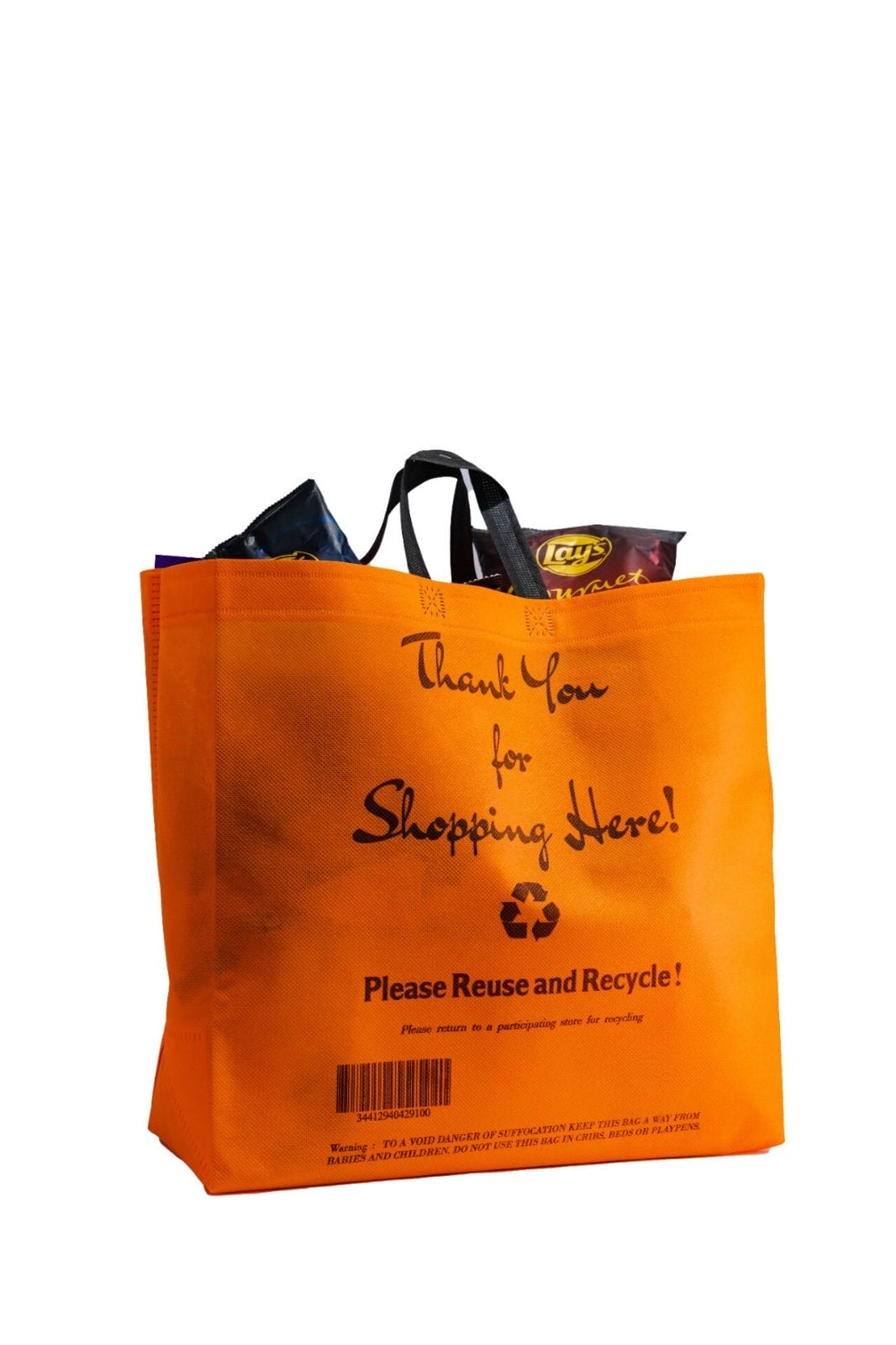
Have you ever stopped to look at that colorful, fabric-like bag sitting in your pantry and wondered how such a simple item became the hero of the modern retail world? We often take them for granted, but non woven bags are currently at the center of a massive global shift in how we think about shopping, sustainability, and brand identity. If you’ve been feeling the pressure to move away from single-use plastics but aren’t quite sure if “non-woven” is just another buzzword, you’re in the right place.
Think of the transition from plastic to reusable bags as a quiet revolution. It’s not just about carrying groceries; it’s about a fundamental change in our relationship with materials. As someone who has spent years analyzing the intersection of packaging and consumer behavior, I’ve seen how these bags have evolved from simple industrial filters into a multi-billion dollar industry that empowers small shop owners in Mumbai and global hypermarkets in Dubai alike. But what makes them so special? Is it just the price point, or is there a deeper science at play?
In this deep dive, we’re going to pull back the curtain on the world of non woven bags. We’ll explore the fascinating “spunbond” process that brings them to life, tackle the “Greenpeace pyramid” of plastics, and look at real-world case studies of businesses that transformed their brand loyalty simply by changing their carrier. Whether you’re a marketing manager looking for that “82% of marketers” ROI or a B2B buyer trying to decode GSM ratings, I’ve got you covered.
The Identity Crisis: What Exactly Are Non Woven Bags?
Before we get into the “why,” we need to understand the “what.” Many people touch a non woven bag and assume it’s a type of cloth because it feels soft and flexible. However, it’s actually a brilliant feat of chemical engineering.
Unlike traditional fabrics—where you take threads and weave them over and under each other like a basket—non woven fabrics are made by bonding fibers together using heat, chemicals, or mechanical pressure. Imagine a giant, high-tech version of making felt or paper, but using polypropylene polymers instead of wood pulp or wool.
The Spunbond Miracle: How It’s Made
Most of the non woven bags you see today are made using the “Spunbond” process. Here’s a simple analogy: imagine a pasta maker that extrudes long, continuous strands of spaghetti. In a spunbond factory, polypropylene resin is melted down and pushed through tiny holes called spinnerets to create microscopic filaments. These filaments are then blown by air to land randomly on a moving conveyor belt, forming a fluffy “web.”
To turn this web into a sturdy fabric, it passes through heated rollers (a process called calendaring) that “weld” the fibers together at every point where they touch. The result? A material that is lightweight, breathable, and surprisingly strong, all without a single stitch of thread.
Chemical Composition and the Plastic Pyramid
At its core, non-woven fabric is made from Polypropylene (PP), a thermoplastic polymer. Now, don’t let the word “plastic” scare you off. According to environmental groups like Greenpeace, PP is actually one step away from bio-based plastics at the “best” end of the plastics pyramid. It’s 100% recyclable and far more stable than the polyethylene used in thin, crinkly grocery bags.
The Problem: Why Single-Use Plastic Is No Longer an Option
We’ve all seen the images: sea turtles entangled in plastic, or beaches covered in white film. But the problem isn’t just visual; it’s systemic. Single-use plastic bags are the definition of a “linear economy” failure. We extract fossil fuels, spend energy to manufacture a bag, use it for an average of 12 minutes, and then it sits in a landfill for 1,000 years.
The Hidden Costs of Convenience
It’s estimated that we use 5 trillion plastic bags per year—that’s 160,000 bags every single second. While they are incredibly cheap to produce and have a small carbon footprint for a single bag, their cumulative impact is devastating. UNEP estimates that plastic causes USD 13 billion in damage to marine ecosystems every year.
Furthermore, plastic bags are a nightmare for recycling facilities. They get caught in the machinery, leading many municipalities to stop accepting them altogether. This creates a “recycling gap” that non woven bags are perfectly positioned to fill.
The Solution: Why Non Woven Bags Are the “Middle Path”
In the search for alternatives, many brands rushed toward paper or cotton. But as we’re about to see, neither is a perfect solution. Paper bags are surprisingly water-intensive and often require three reuses to negate their climate impact. Cotton, meanwhile, is a “thirsty” crop that uses staggering amounts of pesticides and water; a cotton tote needs to be reused 131 to 173 times just to break even with a single plastic bag’s carbon footprint.
This is where non woven bags shine. They are the “Goldilocks” of the packaging world—not too heavy, not too expensive, and just durable enough to be reused dozens of times.
Comparing the Environmental Impact
| Bag Type | Production Impact | Reuses to Break Even | Recyclability |
| Single-use Plastic | Low (Per bag) | 1 | Very Low (<1%) |
| Paper | High (Water/Energy) | 3 | High (Biodegradable) |
| Non-Woven PP | Moderate | 11 | High (#5 Plastic) |
| Woven PP | High | 125+ | High |
| Cotton | Very High | 131–173 | High (Biodegradable) |
As you can see, the non woven bag offers a pragmatic solution. You only need to use it 11 times to be “better” for the planet than a plastic bag. Given that these bags are designed to handle 30 to 125 uses, they provide a massive net benefit to the environment over their lifespan.
Woven vs. Non-Woven: Which One Should You Choose?
I often get asked, “Which one is better?” The truth is, it depends on what you’re carrying. While they are made from the same PP resin, their construction gives them very different personalities.
The Strength of Woven PP
If you’re moving heavy loads like gravel, bulk grains, or a week’s worth of heavy canned goods, woven polypropylene is your best friend. Because the plastic is literally woven together like a rug, it has incredible tensile strength and won’t stretch or tear under pressure. It’s the “heavy lifter” used in FIBC (Flexible Intermediate Bulk Containers) for industrial shipping.
The Versatility of Non-Woven PP
On the other hand, non woven bags are the “all-rounders.” They are softer, more flexible, and—crucially—much more affordable for mass distribution. Because they don’t have the “ribbed” texture of woven fabric, they provide a much smoother surface for high-quality printing, making them the superior choice for branding and marketing.
| Feature | Non-Woven PP | Woven PP |
| Primary Use | Retail, Promo, Fashion | Grocery, Industrial, Bulk |
| Feel | Soft, cloth-like | Plastic, textured |
| Print Quality | Exceptional detail | Good (Best when laminated) |
| Cost | Low to Moderate | Moderate to High |
| Durability | Moderate (10–50 uses) | Very High (125+ uses) |
The Science of GSM: How Thick is Thick Enough?
If there’s one term you need to master before ordering non woven bags, it’s GSM. It stands for “Grams per Square Meter,” and it is the universal language for measuring the density and strength of the fabric.
Have you ever had a bag handle snap the moment you put a carton of milk inside? That was likely a low-GSM bag being asked to do a high-GSM job. Choosing the right GSM is a balancing act between your budget and your customer’s frustration.
Breaking Down the Brackets
- 60–80 GSM (The Event Hero): These are lightweight and economical. Think of them as the perfect bag for trade show flyers or a t-shirt. They are 30% cheaper than heavier versions, making them great for mass giveaways.
- 80–100 GSM (The Retail Standard): This is the sweet spot. It feels substantial, it’s durable enough for regular shopping, and it hangs well on the shoulder. Most supermarket bags live in this range.
- 100–120 GSM (The Heavy Lifter): If you’re selling books, hardware, or heavy groceries, you need this extra thickness. These bags can stand up on their own, making them easier to load at the checkout counter.
- 130–160 GSM (The Premium Tote): At this level, you’re looking at a bag that can last for years. Often laminated, these bags are chosen by high-end brands for their “stiff” and luxurious feel.
Real-World “Bottle Tests”
To make this actionable, let’s look at some fascinating field tests. Imagine we’re filling these bags with standard water bottles:
| GSM Level | Weight Capacity (Water Bottles) | Total Weight | Result of 3m Concrete Drag |
| 60 GSM | 16 Bottles | ~8 kg | Slight fuzzing/abrasion |
| 80 GSM | 25 Bottles | ~12.5 kg | No visible damage |
| 100 GSM | 36 Bottles | ~18 kg | No change at all |
Isn’t it incredible that just a few extra grams of plastic can nearly double the load capacity? When you’re sourcing, remember the “Rule of Thumb”: always step up one GSM bracket if you want the bag to stand upright or carry dense items.
The Marketing Powerhouse: Why 82% of Marketers Are Paying Attention
If you think a bag is just a way to get products from Point A to Point B, you’re missing out on one of the most effective advertising tools in existence. In fact, 82% of marketers in a 2025 report indicated that integrated digital-physical touchpoints—like a branded reusable bag with a QR code—are essential for maintaining attention in our crowded digital world.
Unrivaled Cost Per Impression (CPI)
Think about the last time you saw a digital ad on your phone. You probably swiped it away in less than a second. Now, think about a high-quality non woven bag. It’s a walking billboard that moves through streets, subways, and offices.
A single reusable bag generates an average of 5,700 brand impressions over its 14-month lifespan. If that bag is made of cotton, that number can jump to over 11,000 impressions. Because the manufacturing cost of a non woven bag is so low (often under $1 in bulk), the cost per impression is virtually zero compared to Google or Facebook ads.
The Psychology of the Reusable Bag
Why do we keep these bags? It’s because they represent value. When a brand gives you a high-quality non woven bag, it feels like a gift rather than a piece of trash. This leads to a measurable shift in brand perception:
- 73% of consumers view companies more favorably when they receive eco-friendly promotional items.
- 89% of people will keep a reusable bag, while only 54% will keep a promotional pen.
- 65% of consumers feel an emotional connection with brands that align with their values (like sustainability).
Case Studies: The “Silent Revolution” in Action
Sometimes, stories tell the truth better than statistics. Let’s look at how non woven bags have transformed businesses in the real world.
The Small Business Transformation (Mumbai, India)
Priya Jain, a small retail owner in Mumbai, faced a crisis when her customers began demanding eco-friendly alternatives to plastic. She felt trapped—paper was too expensive and cotton was out of her budget. She made the switch to non-woven W-cut bags (the kind with handles cut directly into the fabric).
The result was transformative. Not only did she save on her packaging costs compared to high-end paper, but her customers began using the bags as their daily carriers. She noticed a surge in “referral” customers who had seen her sleek, branded bags on the street. For Priya, the bag wasn’t just packaging; it was her primary marketing engine.
The Global Hypermarket Strategy (Dubai, UAE)
In Dubai, where hypermarkets serve thousands of people daily, the challenge is scale. Large-scale operations need a bag that can be produced in the millions, stored flat (to save on expensive warehouse space), and shipped globally without breaking the bank.
By utilizing non-woven bags, these retailers met Dubai’s strict environmental compliance goals while keeping their unit costs low. They found that non-woven bags offered the perfect “marketing-to-cost” ratio, allowing them to provide a durable product that customers actually wanted to reuse, thereby reducing their overall plastic footprint by millions of bags per year.
Advanced Tips: Mastering the Art of Non-Woven Customization
If you’re ready to design your own bag, don’t just put a logo in the middle and call it a day. There are “pro tips” that can make your bag the one that customers reach for every single time they leave the house.
Choosing the Right Printing Method
Your choice of printing can make or break the bag’s aesthetic and lifespan.
- Screen Printing: Best for simple logos (1–3 colors). It’s bold, durable, and the most cost-effective for large batches.
- Flexo Printing: Perfect for repeat patterns or continuous rolls. It’s lightning-fast and great for medium-to-large retail runs.
- Gravure Printing (Laminated): This is the “gold standard.” If you want a photo-quality image of a landscape or a complex product, you must use gravure printing on a laminated film. It adds a layer of waterproof protection and looks incredibly high-end.
- Heat Transfer: Ideal for small runs or complex gradients. It’s essentially a “sticker” that is heat-pressed onto the fabric.
The Secret of Reinforced Handles
The handle is always the first point of failure. If you want your bag to generate those 5,700 impressions, the handles need to stay attached!
- X-Box Stitching: Look for a small “X” inside a square at the base of the handle. This pattern distributes the weight across more of the fabric, increasing the load capacity by up to 40%.
- Nylon Webbing: For heavy-duty bags, skip the non-woven handles and use nylon webbing. It has a much higher breaking strength and feels more comfortable in the hand.
B2B Sourcing: The Ultimate Quality Control Checklist
Buying non woven bags in bulk can be intimidating. How do you know if the “80 GSM” you’re paying for is actually 80 GSM? Use this checklist to vet your suppliers and ensure you’re getting what you paid for.
1. The Legitimacy Check
- Verify Identity: Cross-check business registration certificates against website domains and email addresses.
- Certification Audit: Request ISO 9001 (Quality Management) or BSCI (Social Compliance) certificates. Actually verify the certificate numbers in official registries.
2. The Physical Test
- The Weight Test: Cut a 10cm x 10cm square of the fabric. Weigh it on a digital scale (accurate to 0.01g). Multiply that weight by 100 to get the actual GSM. If a “100 GSM” bag weighs 0.8g for that square, you’ve been sold an 80 GSM bag.
- The Stretch Test: Gently pull the fabric. High-quality non-woven should feel soft yet firm. If it feels stiff, “crunchy,” or rips easily, it may be made from low-quality recycled resin or have been stored in direct sunlight.
3. The Construction Audit
- Stitch Density: Count the “stitches per inch.” Higher stitch density generally leads to stronger seams.
- Smell Test: If the bag has a strong chemical or “burnt” odor, the inks or the resin may contain VOCs (Volatile Organic Compounds) that aren’t safe for food contact.
Maintenance and Longevity: How to Make Your Bags Last 5 Years
A non woven bag is only as “green” as its lifespan. If you throw it away after three uses, you haven’t actually helped the environment. Here is how you (and your customers) can keep these bags in top shape for years.
The “Golden Rules” of Cleaning
Whatever you do, do not put your non woven bags in the washing machine or dryer. The high heat and aggressive tumbling will warp the polypropylene fibers and eventually make the bag brittle.
- Wipe Down Daily: Use a damp cloth with a tiny drop of dish soap to remove surface dirt.
- Gentle Hand Wash: If the bag is truly dirty (say, meat juice leaked), soak it in lukewarm water (under 30°C) with mild detergent for 5–10 minutes. Rinse thoroughly.
- Air Dry is Key: Prop the bag open and let it air dry in a shaded, well-ventilated area. Avoid direct sunlight, as UV rays are the #1 enemy of polypropylene.
Proper Storage
If you’re storing bags for your business, keep them in a cool, dry place (between 10–30°C). Humidity can lead to mold, and temperatures above 50°C can make the fibers brittle. When stored properly, these bags can have a shelf life of 2 to 5 years.
The Future of Non Woven Bags: What’s Next?
We are currently seeing a massive wave of innovation in the non-woven space. It’s no longer just about “cheap plastic bags.”
Bio-Based and Compostable Options
Manufacturers are beginning to experiment with PLA (Polylactic Acid) non-woven fabrics made from plant starch. While these are currently more expensive, they offer the ultimate goal: a reusable bag that is also 100% compostable at the end of its life.
The Rise of rPP and rPET
To further close the loop, many brands are now sourcing rPP (Recycled Polypropylene) bags. These are made from post-industrial or post-consumer waste, reducing the need for virgin fossil fuels. Similarly, rPET bags (made from recycled plastic bottles) are becoming incredibly popular in the fashion world because they can be printed with vibrant, photographic designs using sublimation printing.
Conclusion: It’s Time to Bag the Old Ways
As we’ve seen, non woven bags aren’t just a convenient replacement for plastic; they are a sophisticated marketing tool, an environmental necessity, and a testament to modern material science. Whether you’re a consumer trying to do your part or a business owner looking to grow your brand, making the switch to high-quality non-woven is a win-win.
Think about the message your brand sends every time a customer walks out of your store. Do you want them carrying a “problem” that will sit in a landfill for a millennium, or a “solution” that they will use 50 times over the next year?
The transition is simpler than you think. Start by auditing your current usage, choose the right GSM for your needs, and invest in a design that your customers will be proud to carry. Let’s build a future where our shopping habits are as sustainable as our products.
Ready to elevate your brand with non woven bags? Start your journey today by requesting a sample of different GSM weights and see the difference for yourself!
Original FAQs
1. Are non woven bags actually biodegradable? No, most non woven bags are made from polypropylene, which is a synthetic polymer. While they are 100% recyclable (#5 plastic), they are not biodegradable and will not break down in a landfill. Their environmental benefit comes from their reusability and low-resource manufacturing compared to cotton or paper.
2. Can I use these bags to carry frozen food or raw meat? Yes, but you should be careful about hygiene. Polypropylene is naturally water-resistant, which helps contain spills. However, because they are porous, they can harbor bacteria. We recommend using a laminated non woven bag for groceries, as the smooth film surface is easier to disinfect with a simple wipe.
3. What is the average lifespan of a standard 80 GSM non woven bag? With regular use (once or twice a week) and proper care, a standard 80 GSM bag should last between 10 to 30 uses. If the bag is reinforced with X-box stitching and used for lighter items, it can easily last for over 50 uses.
4. Why does my bag feel “stiff” and “crunchy” after being left in my car? That is likely “UV degradation.” Polypropylene is sensitive to direct sunlight and high heat. Temperatures inside a parked car can exceed 50°C, which causes the chemical bonds in the plastic to break down, making the fabric brittle and prone to tearing.
5. How can I tell the difference between woven and non woven bags? Look at the texture. If you see a clear “over-under” pattern like a wicker basket or a fabric shirt, it is woven. If the surface looks uniform with tiny indented dots (like a dimpled golf ball or a pressed pattern), it is non woven.